

Most dog owners replace accessories only after something breaks, snaps, or starts to smell. That “set-and-forget” approach is more common than you might think, and it quietly puts dogs at risk every day. Worn collars, frayed leashes, and bacteria-laden toys aren’t just cosmetic problems. They’re safety hazards hiding in plain sight. This guide covers exactly when and why accessories need to go, what to look for in replacements, and how choosing the right gear now saves money, reduces hassle, and keeps your dog genuinely safer and more comfortable.
Table of Contents
- The hidden risks of worn dog accessories
- How often should you update dog accessories?
- Upgrading for comfort, enjoyment, and durability
- Bundled and themed sets: Convenience, fun, and value
- Expert tips: Avoiding common mistakes when updating accessories
- Why premium upgrades work—if you focus on real need
- Ready to update your dog’s accessories? Explore premium, themed gear and bundles
- Frequently asked questions
Key Takeaways
| Point | Details |
|---|---|
| Safety first | Worn accessories pose real risks—replace before visible damage or loss of control. |
| Premium pays off | Higher-quality gear lasts longer and supports your dog’s comfort and enjoyment. |
| Update by need | Upgrade based on activity, age, and condition—not just on schedules. |
| Bundles simplify upgrades | Themed and bundled sets add matching quality and convenience for busy owners. |
The hidden risks of worn dog accessories
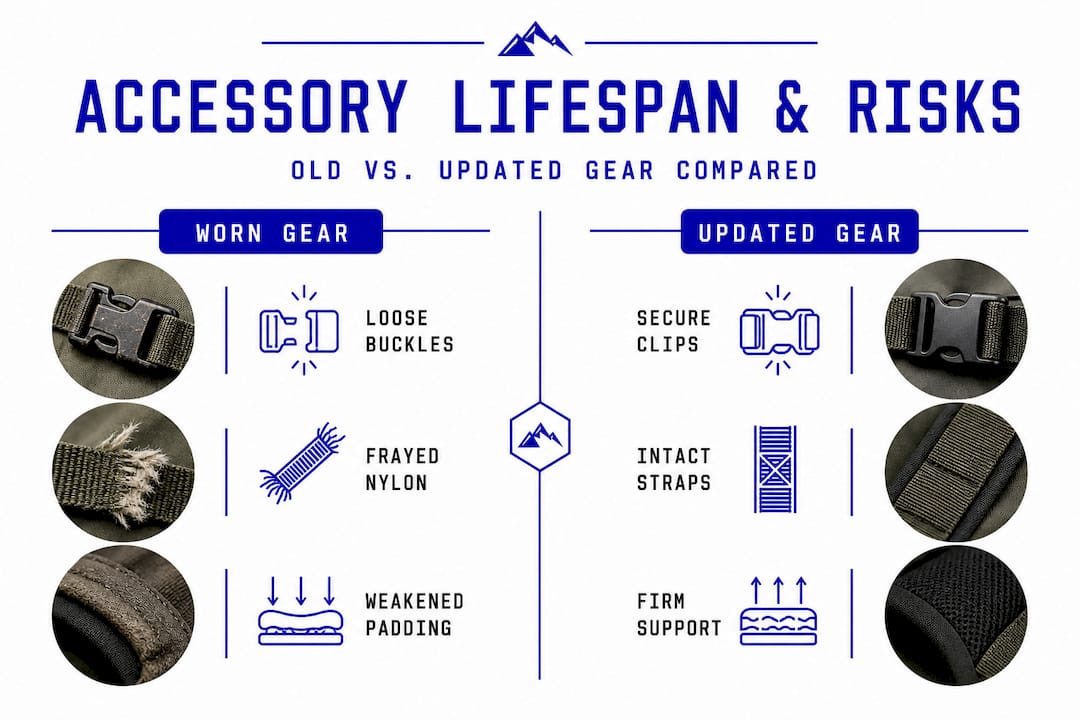
A frayed leash looks minor. A cracked buckle on a collar seems like a small thing. But both can fail at the worst possible moment, like during a busy intersection crossing or when a dog spots a squirrel and pulls hard. Worn accessories such as collars, harnesses, leashes, and toys pose safety risks including breakage, choking hazards, bacterial growth, and loss of control during walks. The risks aren’t theoretical. They happen regularly to owners who assumed their gear was fine.
Here is a breakdown of the most common hazards from aging dog accessories:
- Breakage and escape: A leash that snaps mid-walk can send a dog into traffic. A collar that gives way lets a dog bolt in an unfamiliar area, which is one of the leading causes of pets going missing.
- Choking hazards from toys: Toys that have been chewed down develop loose parts, torn fabric, and exposed filling. These pieces become swallowing risks, especially for dogs that chew aggressively.
- Bacterial growth: Fabric collars, rope toys, and padded harnesses trap moisture, saliva, and skin debris. Over time, that creates a breeding ground for bacteria and mold, which can cause skin irritation, infections, and persistent odors.
- Loss of control in public: A harness that no longer fits correctly, either because the dog grew or the material stretched, gives you less leverage. That matters most in crowded or high-stimulus environments.
“Most owners don’t inspect accessories until after a problem occurs. By then, the damage has often been there for weeks or months.” This is a reactive approach when the situation calls for a proactive one.
Most people underestimate how fast gear degrades. Sun exposure weakens nylon. Repeated washing softens padding. Heavy chewing accelerates toy breakdown. Checking accessories monthly, rather than only when something looks obviously wrong, is the starting point for keeping your dog safe.
Check our dog accessory safety tips for a practical overview of what to look for during your next inspection.
How often should you update dog accessories?
There is no single answer, but there are clear patterns based on material type, dog behavior, and environment. Replacement frequency varies by usage and material: collars, leashes, and harnesses every 6 to 24 months for adults, sooner (3 to 12 months) for puppies, pullers, or harsh environments; premium materials like BioThane or leather last 3 to 5 or more years.
Here is a comparison of common accessory materials and their expected lifespans:
| Material | Typical lifespan | Best for |
|---|---|---|
| Standard nylon | 6 to 18 months | Light to moderate use |
| Biothane | 3 to 5+ years | Active, outdoor, water dogs |
| Leather | 3 to 5+ years | Moderate use, dry climates |
| Neoprene padding | 1 to 2 years | Dogs prone to chafing |
| Cotton rope toys | 1 to 6 months | Supervised play only |
| Rubber/TPR toys | 6 to 18 months | Heavy chewers |
Puppies fall into a category of their own. They chew everything, grow quickly, and can outgrow a collar in a matter of weeks. A collar that fit at 10 weeks can become a choking hazard by 16 weeks if nobody checked the fit. Puppies also tend to mouth and destroy toys faster than adult dogs, so more frequent replacement is standard, not optional.
Signs your accessory needs a swap right now:
- Visible fraying, cracking, or splitting in the material
- Buckles or clasps that don’t click shut firmly
- Persistent odor that doesn’t wash out
- Fabric or padding that has thinned, torn, or lost its shape
- A toy that has been chewed down to a size that can fit entirely in the dog’s mouth
- Hardware (D-rings, clips) that shows rust, bending, or corrosion
- A harness or collar that no longer adjusts to a proper fit
Pro Tip: Every time you fill the food bowl, take five seconds to run your fingers along the collar and check the buckle. That daily habit catches problems early before they become emergencies.
For a curated list of gear built to last, see our durable accessory picks and our detailed breakdown of choosing durable dog toys.
Upgrading for comfort, enjoyment, and durability
Choosing better gear isn’t just about avoiding the risks described above. It’s also about improving your dog’s daily experience. Premium accessories enhance comfort through features like padded foam that prevents chafing, better joint support in orthopedic beds, and improved fit for specific activities. They also deliver longer service life and lower cost per use over time.
The upgrade that often makes the biggest difference for active dogs is a well-fitted, padded harness. Standard flat harnesses can dig into a dog’s armpits during prolonged walks. A padded, wide-panel harness distributes pressure evenly, reducing friction and making long walks more enjoyable for the dog. That alone can increase how far and how often a dog is willing to walk.
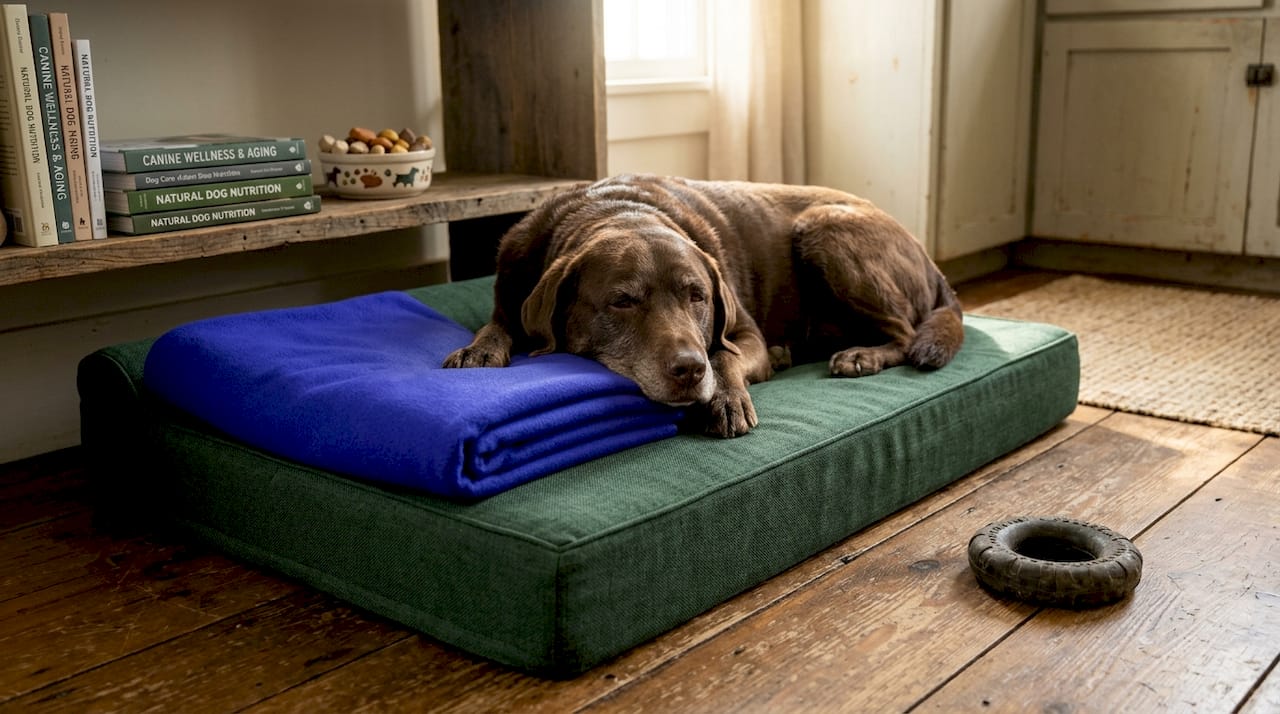
For older dogs, orthopedic beds are one of the most impactful upgrades available. A dog sleeping on a flat, worn bed is adding stress to joints every night. Memory foam or egg-crate foam beds reduce that pressure, which matters especially for dogs with arthritis or hip dysplasia. It’s a simple swap with a measurable impact on quality of life.
Here is a cost and lifespan comparison between budget and premium accessories:
| Category | Budget option | Premium option |
|---|---|---|
| Standard leash | $8 to $15, lasts 6 to 12 months | $30 to $60, lasts 3 to 5 years |
| Dog harness | $15 to $25, lasts 6 to 18 months | $45 to $90, lasts 2 to 5 years |
| Dog bed | $20 to $40, lasts 6 to 12 months | $70 to $150, lasts 2 to 4 years |
| Chew toy | $5 to $10, lasts days to weeks | $15 to $30, lasts months to years |
Premium gear is worth the higher upfront cost for longevity and safety because it often lasts 3 to 5 times longer than budget options, but only when the quality is genuine. One thing worth noting: heavy-duty gear can add bulk and heat, which is a real drawback for calm dogs in warm climates who don’t need maximum durability. A laid-back house dog doesn’t need the same gear as a trail-running working dog.
The best approach is to match gear specifications to the dog’s actual activity level. For information on which materials hold up best across different play styles, see our guide on durable toy materials.
Pro Tip: Think in terms of cost per month, not sticker price. A $50 leash that lasts four years costs about $1.04 per month. A $12 leash that lasts six months costs $2.00 per month and requires more shopping.
Reflective stitching, ergonomic handle grips, and quick-release buckles are features that sound minor but genuinely improve safety in real situations. Reflective gear matters most for early morning or evening walks in low-light neighborhoods. Ergonomic handles reduce hand fatigue on long walks. These features aren’t premium window dressing. They solve specific problems.
Bundled and themed sets: Convenience, fun, and value
Buying accessories one piece at a time creates a common problem: mismatched quality. One item is durable, another isn’t, and the weakest link is the one that fails first. Curated bundles solve that by pairing items that are designed and tested to the same standard.
Market data shows premium segment growth is driven by owners who value durability, performance, and sustainability, including ergonomic designs and reflective features for safety. The trend isn’t just about aesthetics. Owners who buy better gear report fewer replacements, fewer incidents, and higher overall satisfaction.
Benefits of bundled and themed sets include:
- Matching quality across items: Every piece in a bundle is selected at the same durability and safety standard.
- Cost savings compared to individual purchases: Bundles typically offer 15 to 30 percent better value than buying the same items separately.
- Themed collections for seasonal use: Holiday and birthday-themed sets let you celebrate with your dog using gear that’s both fun and functional.
- Simplified shopping: One purchase covers multiple needs, which reduces the decision fatigue of researching each item separately.
- Gift-ready presentation: Bundles are a natural choice for dog birthdays, adoptiversaries, or holidays.
Seasonal collections are particularly useful because they align with moments when dog owners are already thinking about their pets, like Halloween, Christmas, or a dog’s birthday. Themed gear gives owners an easy, occasion-based reason to upgrade what was already due for replacement.
For seasonal ideas, see our themed holiday picks and dog birthday gifts guide.
Expert tips: Avoiding common mistakes when updating accessories
Knowing the risks and the options is one thing. Avoiding the common mistakes that trip up even well-intentioned dog owners is another.
Signs it’s time to update accessories now, from expert consensus:
- Any visible structural damage, including fraying, cracking, or broken hardware
- Persistent smell after washing, which signals deep bacterial contamination
- Fit has changed because the dog grew, lost weight, or gained muscle
- Gear is more than 18 months old with regular outdoor use
- A toy has been chewed to a size that poses a swallowing risk
- Reflective strips have faded or peeled, reducing nighttime visibility
- The dog shows reluctance to wear the gear, which sometimes signals discomfort from poor fit or pressure points
Active and outdoor dogs need faster replacement, often around six months, due to UV exposure, moisture, and abrasion. Aging dogs, on the other hand, benefit from orthopedic or upgraded gear that provides joint comfort. These two groups are often under-served by standard replacement advice that assumes a “typical” dog with moderate activity.
“Safety-driven replacement always outperforms calendar-based replacement. Inspect first, replace when needed, and never assume gear is fine just because it hasn’t been replaced recently.” This is the consistent position across veterinary and gear-testing experts.
Expert consensus consistently points to safety-driven replacement over fixed schedules as the smarter approach. A collar bought six months ago and used daily by a heavy puller on gravel trails needs replacement sooner than one used occasionally on grass.
Pro Tip: Do a full hands-on gear inspection every month. Put on a harness, pull at each strap, click each buckle twice, and smell the collar for bacterial odor. Five minutes of inspection prevents emergencies.
For a look at additional options and categories when replacing worn gear, see our accessory alternatives guide.
Why premium upgrades work—if you focus on real need
Premium accessories deliver real value, but only for dogs whose lifestyle actually calls for them. That distinction matters more than most upgrade guides will tell you.
A Labrador that swims three times a week, hikes on weekends, and chews aggressively genuinely needs BioThane, waterproof padding, and a reinforced harness. A small apartment dog that walks two blocks twice a day doesn’t. Outfitting that apartment dog with maximum-duty trail gear adds unnecessary weight and bulk without any real benefit. The dog ends up less comfortable, not more.
The most common mistake we see is buying premium gear based on brand reputation or visual appeal rather than actual fit to the dog’s daily routine. A beautifully designed harness that’s too stiff for a calm, short-haired dog still causes chafing. A heavy-duty rubber chew toy designed for aggressive chewers can be frustrating and boring for a light chewer who wants a softer toy.
“Smart upgrades start with honest assessment, not Instagram trends.”
Start by listing the three biggest daily frustrations with your current gear. Does the leash tangle? Does the collar smell after a week? Does your dog avoid the toy box? Those pain points are your upgrade targets. Match solutions to specific problems, and you’ll get real improvement. Buy based on aesthetics alone, and you’ll likely end up in the same replacement cycle in six months.
The best outcomes come from owners who treat gear selection like a practical decision: what does this dog actually need, what will last given their activity level, and what genuinely improves the daily routine? Our smart durable picks are organized exactly that way, by activity type and dog size, to make that matching process straightforward.
Ready to update your dog’s accessories? Explore premium, themed gear and bundles
At Ascencion Gear, every product and bundle is selected for durability, safety, and real-world use, not just looks. Whether your dog needs a new toy, a travel setup, or a full seasonal collection, the options below give you a practical starting point for your next upgrade.
The squeaky crinkle dog toy is a no-stuffing option designed for interactive play without the mess of traditional plush toys. For dogs that need more mental stimulation, the interactive puzzle toy set bundles four hide-and-seek toys that keep dogs engaged and working. If travel is part of your routine, the pet travel essentials bundle covers the gear most commonly needed for road trips and outings, all matched in quality and packed for convenience. We ship across the US, and our bundles are designed to make updating your dog’s gear simple, cost-effective, and actually enjoyable.
Frequently asked questions
What are signs it’s time to replace a dog leash or collar?
Visible fraying, damaged buckles, persistent odor, or reduced structural strength all indicate replacement is needed. Worn accessories pose safety risks including breakage and loss of control during walks, so condition always takes priority over age.
How do premium materials like BioThane compare to standard nylon in longevity?
BioThane and leather typically last 3 to 5 or more years, compared to 6 to 24 months for nylon under similar conditions. Premium materials hold up especially well against moisture, UV exposure, and abrasion, which makes them a practical choice for active or outdoor dogs.
Do themed or bundled sets actually make updating easier?
Yes. Bundles match quality across all included items and simplify the purchasing process. Market growth data confirms that owners are increasingly choosing curated sets for both convenience and consistent performance.
Is there a strict schedule for updating accessories?
No fixed schedule applies universally. Expert consensus consistently favors condition-based replacement over calendar-based schedules, meaning you update when inspection reveals safety concerns, not because a set number of months has passed.