

Most people buying holiday presents for their dog pick whatever looks fun on the shelf. That approach misses the point entirely. Understanding why select holiday dog gifts thoughtfully, rather than randomly, is what separates a gift that gets ignored from one that genuinely improves your dog’s day. The right holiday gift can support mental health, reduce seasonal stress, prevent dangerous accidents, and match your dog’s actual needs. This guide covers how to make every holiday present count, from toy selection and treat safety to enrichment and lifestyle fit.
Table of Contents
- Key takeaways
- Why selecting the right holiday dog gifts matters
- Enrichment gifts that keep dogs calm during the holidays
- Safe holiday treats and the 10% rule
- Matching gift types to your dog’s personality and lifestyle
- Keeping holiday gifts safe and engaging all season
- My take on why thoughtful gifts changed how I experience the holidays with dogs
- Find the right holiday dog gifts at Ascenciongear
- FAQ
Key takeaways
| Point | Details |
|---|---|
| Match gifts to your dog | Age, size, and chewing style determine which gifts are safe and enjoyable. |
| Enrichment beats novelty | Puzzle toys and snuffle mats reduce stress and boredom better than generic squeaky toys. |
| The 10% treat rule matters | Holiday treats should never exceed 10% of your dog’s daily diet to avoid health risks. |
| Supervision is non-negotiable | Introduce all new toys with direct supervision to catch hazards before they cause harm. |
| Rotate toys for sustained interest | Swapping toys in and out keeps your dog engaged long after the holiday excitement fades. |
Why selecting the right holiday dog gifts matters
Not every holiday gift is a good one. Holiday-themed gifts are not automatically safe or beneficial. Matching gifts to your dog’s individual characteristics is what actually improves outcomes.
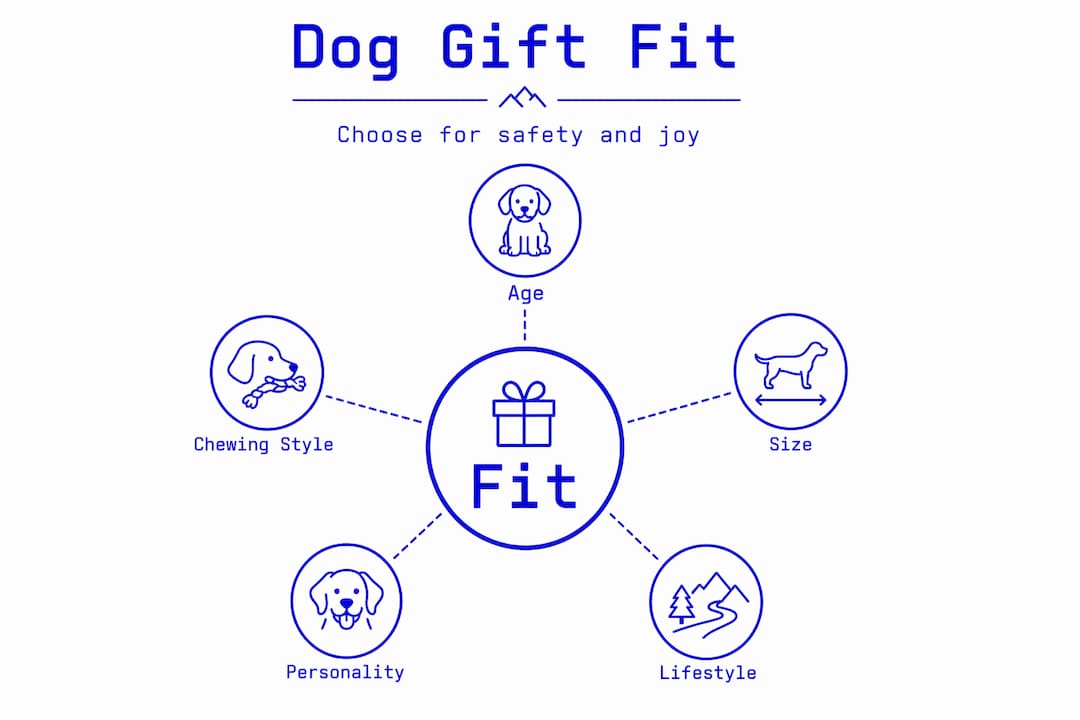
Age is the first filter. Puppies and senior dogs share one thing in common: they both do best with soft, gentle toys that won’t stress their teeth or joints. Adult dogs in their prime, especially high-energy breeds, need something that can handle rough play without falling apart in five minutes. A plush toy handed to a two-year-old Labrador is shredded stuffing waiting to happen.
Size is just as critical. A toy sized for a Chihuahua becomes a choking hazard for a Golden Retriever. A toy sized for a Great Dane is simply frustrating for a Dachshund. Size-appropriate toys for puppies and seniors keep play sessions safe, not stressful.
Chewing style is the third variable most gift buyers overlook entirely. Here is what you need to know:
- Aggressive chewers need hard rubber or reinforced nylon. Soft plush toys can be ripped apart quickly, and ingested stuffing or squeakers pose real choking risks.
- Moderate chewers handle most interactive toys well, including rope toys and medium-density rubber options.
- Gentle chewers enjoy soft plush, crinkle toys, and squeaky options without tearing them to pieces.
- Puppies teething need softer materials that soothe gums without damaging developing teeth.
Heavy chewers require hard rubber or reinforced nylon toys specifically, and soft plush toys can pose choking risks if parts are ingested.
Pro Tip: When in doubt about your dog’s chewing intensity, observe what happens to a regular rope toy within 10 minutes. If it’s destroyed, you have an aggressive chewer who needs reinforced materials.
Selecting toys for safety and durability based on these three factors cuts the risk of injury and wasted money at the same time.
Enrichment gifts that keep dogs calm during the holidays
The holiday season is genuinely disruptive for dogs. More guests in the house, different schedules, louder environments, and fewer outdoor walks all combine to create anxiety and boredom. This is exactly when enrichment toys that provide safe enrichment help reduce stress and unwanted behaviors.
Enrichment gifts work because they engage a dog’s brain, not just their body. When a dog has to sniff, problem-solve, or work for food, they’re burning mental energy that would otherwise turn into destructive behavior. Chewed furniture and excessive barking during family dinners are both classic signs of a bored, under-stimulated dog.
Snuffle mats and puzzle feeders that mimic natural foraging behaviors keep dogs mentally engaged and calm. These are among the best holiday dog gifts you can buy because they serve a real behavioral function.
Here are the top enrichment gift categories worth considering:
- Snuffle mats: Hide kibble or small treats in the fabric. Dogs use their nose to find food, which is mentally tiring in the best possible way.
- Puzzle feeders: Require dogs to slide, flip, or lift pieces to access food. Great for slowing down fast eaters and stimulating problem-solving.
- Interactive hide-and-seek toys: Sets where smaller toys are hidden inside a larger plush. Keeps dogs occupied for extended periods.
- Kong-style stuffable toys: Fill with peanut butter or kibble, freeze overnight, and hand over during holiday gatherings for long-lasting calm.
Holiday enrichment gifts are most effective when given during times of routine disruption or decreased outdoor activity, which is exactly what the holiday season delivers.
Pro Tip: Freeze a stuffed puzzle toy the night before a big family gathering. It occupies your dog for 20 to 40 minutes and keeps them calm and out of the kitchen.
Safe holiday treats and the 10% rule
Treats are the most popular holiday presents for dogs, and they’re also the most misused. The 10% rule from veterinary guidance is straightforward: treats and human food should not exceed 10% of your dog’s daily caloric intake. Go over that consistently and you’re looking at weight gain, digestive upset, and in some cases, serious illness.
The bigger danger is human food shared during holiday meals. Many common foods are toxic to dogs, and the festive chaos makes accidents more likely. Follow this order of priority when planning holiday treats:
- Avoid these completely: chocolate, grapes, raisins, onions, garlic, macadamia nuts, xylitol (found in sugar-free products), and cooked bones.
- Choose vet-approved single-ingredient treats: dried sweet potato, plain cooked chicken, or commercially produced dog treats with short ingredient lists.
- Measure portions: do not eyeball it. A treat budget for a 20-pound dog is very different from one for a 70-pound dog.
- Communicate with guests: holiday accidents frequently happen when well-meaning relatives slip food to the dog. Set clear ground rules before guests arrive.
Common holiday foods including chocolate, grapes, and decorative plants pose real toxicity risks, not just upset stomachs.
If your dog ingests anything toxic, contact the ASPCA Animal Poison Control Center at (888) 426-4435 immediately. Do not wait for symptoms to appear.
Treat plans for holidays should strictly follow the 10% rule because escalating human food sharing is the leading cause of gastrointestinal emergencies during the holiday season.
Matching gift types to your dog’s personality and lifestyle
Once you know the safety basics, the fun part begins. Choosing from the best holiday dog gifts means matching the gift type to what your dog actually enjoys and what your living situation supports.
| Gift type | Best for | Key benefit | Watch out for |
|---|---|---|---|
| Plush squeaky toys | Gentle chewers, puppies | Comfort, light play | Not for aggressive chewers |
| Puzzle feeders | All ages, smart breeds | Mental stimulation | May frustrate low-drive dogs |
| Durable chew toys | Heavy chewers, adults | Teeth health, long play | Check size appropriateness |
| Cozy dog beds/pads | Senior dogs, all sizes | Rest quality, joint comfort | Match to crate or space size |
| Apparel/bandanas | Calm, social dogs | Warmth, themed fun | Skip if dog resists wearing |
| Grooming kits | All dogs | Health maintenance | Introduce slowly |
Choosing gifts based on personality and environment directly increases how useful and enjoyable those gifts become in daily life.
A few factors worth thinking through before you buy:
- Energy level: High-energy dogs need interactive toys that give them an outlet. Low-energy or older dogs appreciate comfort items more than stimulation.
- Living space: Apartment dogs and house dogs with yards have different needs. Loud squeaky toys in a small space can become irritating fast.
- Social style: Some dogs love novelty and thrive with new toys regularly. Others find comfort in familiar items and resist change.
You can also browse holiday dog accessories that combine fun themes with practical durability for dogs of all sizes and personalities.
Keeping holiday gifts safe and engaging all season
Buying a great gift is step one. Keeping it safe and interesting through the end of the holiday season is step two. A lot of the value gets lost when toys are left out constantly, go uninspected, and end up damaged without anyone noticing.
Here is a practical framework for the whole season:
- Supervise all new toy introductions: Watch your dog interact with any new gift for the first session. Look for signs of chewing off small pieces, attempting to swallow parts, or aggressive destruction.
- Inspect toys weekly: Check for tears, missing squeakers, loose parts, and fabric unraveling. Remove and replace damaged toys immediately.
- Rotate toys every 3 to 5 days: Rotating dog toys during the holidays sustains interest and reduces boredom-driven destructive behavior. A toy that disappeared for a week feels brand new when it comes back out.
- Store hazards out of reach: Holiday decorations including tinsel, ribbons, and gift wrap are all choke and obstruction hazards. Keep them stored away from curious dogs at all times.
- Clean toys regularly: Fabric toys collect bacteria and saliva. Most plush toys are machine washable. Rubber toys clean easily with warm water and mild soap.
Holiday decorations and damaged toy parts are common sources of toxicity and obstruction risks that get overlooked in the holiday rush.
Pro Tip: Set a calendar reminder every five days during December to rotate toys and inspect them. It takes less than two minutes and prevents both boredom and injury.
My take on why thoughtful gifts changed how I experience the holidays with dogs
I spent years buying the flashiest holiday dog toy I could find and wondering why my dog ignored it by December 27th. The shift happened when I stopped thinking about what looked good and started thinking about what my dog’s actual day looks like.
The puzzle feeder I added two years ago was not exciting to look at. My dog worked on it for 45 minutes while guests were over and did not beg once at the dinner table. That was more value than a dozen squeaky toys combined.
What I have learned is that most of the safety mistakes happen not from bad intentions but from information gaps. People do not realize a soft plush toy can be a serious hazard for a powerful chewer. They do not know that sharing holiday food casually is one of the primary causes of emergency vet visits in December.
The holiday dog toy safety guide from Ascenciongear helped me reframe the whole thing. Gifts are not just fun extras. They are tools that either support or complicate your dog’s health, behavior, and comfort during a genuinely stressful time of year.
My honest recommendation: pick one enrichment gift, one comfort item, and a small supply of single-ingredient treats. Quality over quantity, every time. Your dog will not count the gifts. But they will notice the difference in how well each one fits their actual life.
— Thomas
Find the right holiday dog gifts at Ascenciongear
Ascenciongear carries a curated selection of holiday presents for dogs built around the principles covered in this article: safety, durability, and real enrichment value.

The squeaky no-stuffing crinkle toy is a solid pick for small to large dogs who love to chew without the stuffing hazard. For mental stimulation, the hide and seek puzzle set gives dogs a four-piece interactive toy that keeps them occupied and calm during busy holiday gatherings. And for the dog who deserves a cozy place to rest, the machine-washable crate pad delivers warmth and comfort through the cold season. Every product ships across the US and is selected with dog safety and real-world usability in mind.
FAQ
Why does it matter which holiday gift you choose for your dog?
Gift selection affects your dog’s safety, mental health, and physical wellbeing. The wrong toy can cause choking or injury, while a well-matched gift supports enrichment and reduces stress during the busy holiday season.
What are the best holiday dog gifts for heavy chewers?
Heavy chewers need toys made from hard rubber or reinforced nylon. Soft plush toys can be ripped apart quickly, and ingested stuffing or squeaker parts pose serious choking hazards.
How many treats can I give my dog during the holidays?
Follow the 10% rule: treats and human food should never exceed 10% of your dog’s daily caloric intake. Exceeding this consistently leads to digestive issues and potential weight gain.
What human foods are dangerous for dogs during the holidays?
Chocolate, grapes, raisins, onions, garlic, macadamia nuts, and xylitol are all toxic to dogs. Keep these foods away from pets and inform holiday guests before meals are served.
How often should I rotate my dog’s holiday toys?
Rotating toys every 3 to 5 days keeps dogs engaged and reduces boredom-driven behavior. It also creates natural checkpoints to inspect toys for damage and remove any that pose safety risks.