

You buy a new toy, your dog shreds it in five minutes or refuses to touch it at all. Sound familiar? Most dog owners hit this exact wall. The good news is that the problem is rarely about the toy itself. It is about the process. A clear, repeatable workflow for introducing new toys changes everything. This article walks you through each step, from choosing the right toy to rotating it out, so playtime stays safe, engaging, and worth every dollar you spend.
Table of Contents
- Gathering the essentials: What you need for successful toy introduction
- Step-by-step workflow: Introducing a new toy to your dog
- Special considerations for puppies and aggressive chewers
- Maintaining novelty and safety: Toy rotation and ongoing checks
- A better workflow: Why following a routine matters more than the toys themselves
- Find high-quality dog toys and bundles for safe, engaging play
- Frequently asked questions
Key Takeaways
| Point | Details |
|---|---|
| Prioritize safety | Always inspect new toys and supervise your dog, especially during initial sessions. |
| Use toy rotation | Swapping out toys every few days keeps your dog engaged and mentally stimulated. |
| Choose wisely for chewers | Aggressive chewers need durable, correctly sized toys and positive reinforcement—not punishment. |
| Routine matters | Consistent workflow and supervision are key to enjoyable, safe play regardless of toy choice. |
| Retire damaged toys | Remove and replace any toys showing wear, loose parts, or damage for your dog’s safety. |
Gathering the essentials: What you need for successful toy introduction
Before your dog ever sniffs a new toy, preparation matters. Knowing what types of toys suit your dog and checking a few safety boxes upfront prevents most common problems.
Types of toys to consider
Different dogs need different toys. Here is a quick breakdown:
| Dog type | Best toy category | Key features to look for |
|---|---|---|
| Puppy (under 1 year) | Soft plush, light rubber | Size-appropriate, no loose parts |
| Moderate chewer | Treat-dispensing, rope | Reinforced stitching, sturdy rubber |
| Aggressive chewer | Solid rubber, nylon | Thick walls, no hollow centers |
| Anxious or bored dog | Puzzle/interactive | Multi-step, food-motivated |
Understanding your dog’s chew style before buying prevents wasted money and reduces injury risk. A toy rated for light chewers can become a choking hazard for a strong-jawed breed within minutes.
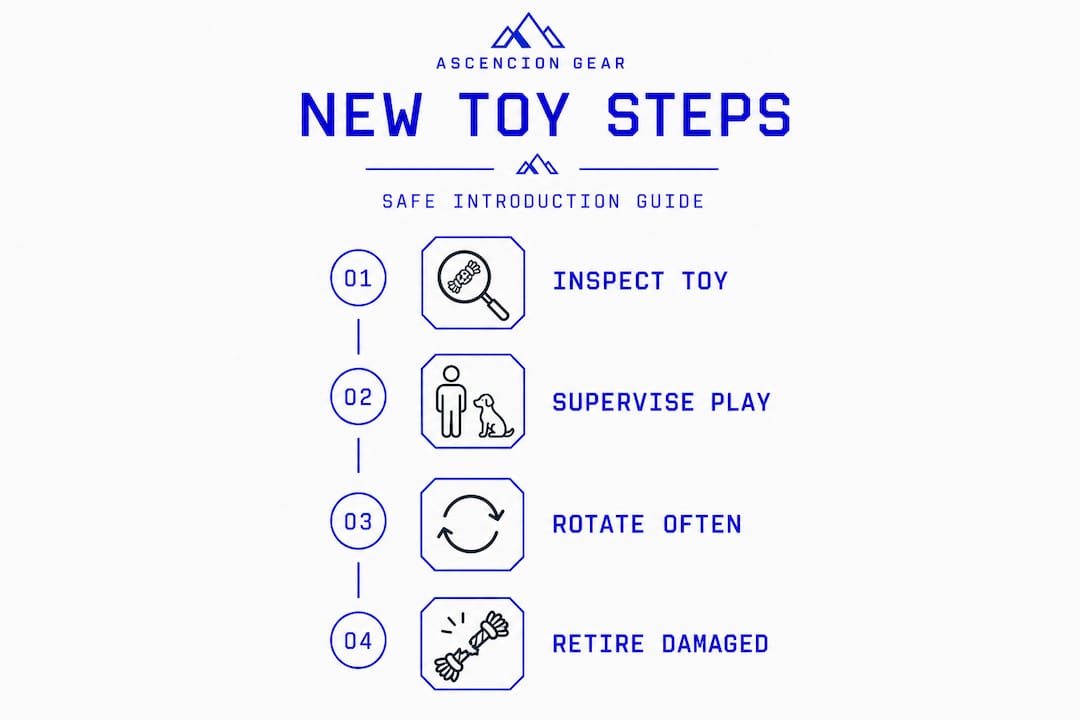
Safety prerequisites: A quick checklist
Before introducing any toy, run through this list:
- Size check. The toy should be too large to fit entirely in your dog’s mouth.
- Material inspection. Look at durable dog toy materials to understand what holds up under pressure.
- Seam and edge review. Examine stitching, glued sections, and any painted surfaces.
- No loose parts. Buttons, eyes, and ribbons should be removed or avoided entirely.
- Brand credibility. Look for toys tested against ASTM (American Society for Testing and Materials) safety standards.
Supervision during the first session is not optional. Per safe toy introduction guidelines, use supervised, short initial sessions when introducing a new toy, then inspect and retire toys quickly if damage appears.
Pro Tip: Check seams by pulling firmly at each corner before handing the toy over. If a seam gives at all, the toy will not survive aggressive play. Also review these dog toy safety tips for a broader seasonal and style-specific breakdown of hazards.
Step-by-step workflow: Introducing a new toy to your dog
Once you have the right supplies and know the basics, follow these steps for a stress-free toy introduction.
The introduction workflow
-
Prepare the environment. Choose a calm, familiar space. Remove distractions like other pets or loud background noise. Your dog should be relaxed but alert, not overstimulated from a walk or a meal.
-
Let your dog approach on their terms. Place the toy on the floor a few feet away. Let your dog sniff, poke at it, and decide whether to engage. Forcing the toy into their space can create avoidance.
-
Start with short sessions. Keep initial play to 5 to 10 minutes. This prevents frustration for the dog and gives you time to observe behavior without distractions.
-
Monitor engagement closely. Watch for signs of overly aggressive destruction, disinterest, or anxiety. Note whether your dog is chewing, carrying, tossing, or ignoring the toy.
-
Inspect the toy immediately after the session. Look for bite marks, tears, missing pieces, and compressed or cracked sections.
-
Remove damaged toys right away. Do not wait to see if it holds up for another round.
-
Rotate toys every 2 to 3 days. This keeps novelty high without overloading your dog’s environment. According to AAHA enrichment guidelines, a rotation approach helps keep toys novel by rotating different toy types and offering a mix of sensory inputs.
“Remove toys quickly if damage appears. A damaged toy can become a choking or ingestion hazard faster than most owners expect.”
Before vs. after a proper workflow: What changes
| Factor | Without a workflow | With a workflow |
|---|---|---|
| Toy lifespan | Days to hours | Weeks to months |
| Risk of ingestion | Higher | Significantly reduced |
| Dog engagement | Inconsistent | Predictable and sustained |
| Owner confidence | Low | High |
| Replacement cost | Frequent | Reduced over time |
Owners who follow a structured introduction process report fewer veterinary scares tied to swallowed toy pieces and a better understanding of what toy types their dog actually prefers. For dogs showing destructive habits, managing destructive chewing offers a deeper look at root causes and matching solutions.
Special considerations for puppies and aggressive chewers
Even with a solid workflow, introducing toys to certain dogs calls for extra attention. Puppies and heavy chewers sit at opposite ends of the size and strength spectrum but both require modified approaches.
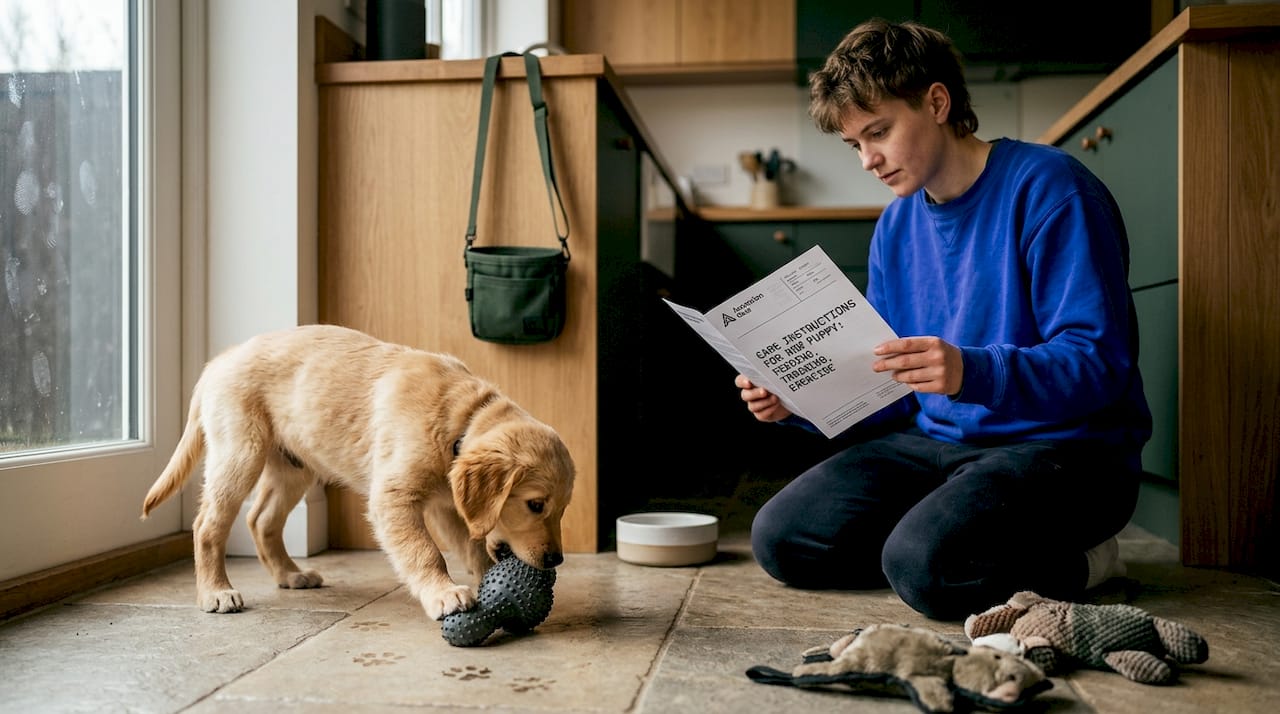
Puppies: Extra safety first
Puppies explore the world through their mouths. That is normal. But their still-developing jaws and digestive systems make toy safety especially critical. A few additional rules apply:
- Stick to size-appropriate toys. Puppy toys should not double as toys for adult dogs in the same household.
- Avoid toys with filling. Polyfill and foam stuffing is a swallowing hazard for puppies who chew through plush quickly.
- Keep sessions shorter. Puppies tire quickly and can become overstimulated, which leads to destructive behavior.
- Introduce one toy at a time. Overwhelming a puppy with several new items increases anxiety rather than engagement.
- Monitor teething behavior. Puppies between 3 and 6 months may chew more aggressively due to teething. Check toys more frequently during this window.
Toy bundles designed for puppies are a practical option here. They typically include a curated mix of textures and materials suited to puppies, which removes a lot of guesswork from the selection process.
Aggressive chewers: Safety and redirection as the goal
Aggressive chewers require a different mindset entirely. Per guidance on aggressive chewer toy introduction, treat toy introduction as a safety-and-redirection exercise: choose durable, appropriately sized chew toys; supervise; and reinforce appropriate toy chewing with positive reinforcement while redirecting from inappropriate items.
The core principle here is that the toy is a tool for behavior management, not just entertainment. When an aggressive chewer focuses on an appropriate toy, reward that behavior immediately with praise or a treat.
Statistic to know: Dogs that consistently destroy soft or low-durability toys face a measurably higher risk of foreign body ingestion. Choosing toys from the top picks for durable toys category reduces that risk significantly by matching material strength to chewing intensity.
Pro Tip: For aggressive chewers, look for toys with a chew rating or weight recommendation on the label. If a toy is marketed as “indestructible” but lacks a material specification or durability test reference, it may not hold up. Solid natural rubber or reinforced nylon are two of the most reliable options for heavy chewers. Also consider solutions for aggressive chewers as part of a broader behavior management plan.
Maintaining novelty and safety: Toy rotation and ongoing checks
To maximize safety and fun, keep up with these maintenance best practices. The introduction session is just the start. What happens over the following days and weeks determines whether your dog stays engaged and safe long term.
How toy rotation works in practice
Rotation is straightforward. Select a set of 6 to 8 toys and keep only 2 to 3 out at any given time. Every 2 to 3 days, swap out the available toys for different ones from the set. This simple approach uses the novelty effect, where dogs engage more actively with items that feel new and unfamiliar.
The AAHA enrichment model recommends rotating different toy types and offering a mix of sensory inputs. That means mixing a rubber chew toy with a treat-dispensing puzzle and a plush toy in the same rotation cycle. Different textures and reward mechanisms keep your dog mentally active.
Pro Tip: Swapping toys every 2 to 3 days is more effective than buying new toys every week. Your dog does not need more toys, they need the same toys to feel fresh and different. Store rotated toys in a closed bin or drawer where your dog cannot access them between cycles.
Signs a toy should be retired
Here is what to watch for during your regular checks:
- Visible cracks or deep bite marks in rubber toys
- Fraying or loose threads on rope or plush toys
- Missing or compressed stuffing in plush items
- Broken parts on puzzle or interactive toys
- Discoloration or chemical smell that was not present when new
- Any piece small enough to be swallowed
Per American Humane guidance, inspect seams and edges and monitor wear at common failure areas. Remove damaged toys immediately rather than waiting for them to fully fall apart.
Regular toy checks should take about two minutes per toy. Build this habit into your weekly routine, perhaps on the same day each week, so nothing slips through. The toy rotation tips resource covers additional scheduling strategies for keeping your rotation fresh through seasonal toy swaps as well.
A better workflow: Why following a routine matters more than the toys themselves
Here is a perspective that most pet product marketing glosses over: the toy is not the most important variable. You are.
Owners spend a significant amount of time researching the “perfect” toy, comparing materials, reading reviews, and comparing prices. All of that has value. But a premium toy introduced carelessly, without supervision, without inspection, and without a rotation plan, will underperform a basic toy given proper attention every time.
The research backs this up. Every safety guideline we have points to human involvement as the primary protection against toy-related injury. Supervision, inspection, and timely removal of damaged items are all actions you take, not features the toy provides.
There is also a behavior component that gets underestimated. Dogs learn what is acceptable to chew based on repeated cues from their owners. When you introduce a toy correctly, reward engagement with it, and remove inappropriate items calmly, you are training your dog to prefer their toys over your furniture. That outcome does not come from the toy itself. It comes from consistency.
Many owners we hear from have tried four or five different toy brands before realizing that destructive behavior was not a toy quality problem. It was a supervision and redirection problem. Looking at a case study on destructive chewing reinforces this point clearly: root causes almost always include under-stimulation, lack of routine, or inconsistent redirection, none of which a better toy alone can fix.
The practical takeaway is simple. Invest in quality toys, yes. But invest equal or greater attention in the process you use to introduce and maintain them. A basic nylon chew toy used correctly beats an expensive novelty toy thrown onto the floor and forgotten.
Find high-quality dog toys and bundles for safe, engaging play
You now have a complete process for introducing, monitoring, and rotating toys safely. The next step is making sure you have the right toys to work with.
At Ascencion Gear, we carry durable chew toys, treat-dispensing puzzles, and plush options built to hold up under real-world use. Our dog toy bundles are designed specifically for puppies and aggressive chewers, giving you a curated mix of textures and durability levels right out of the box. No guessing about size compatibility or material strength. Whether you are setting up a rotation for a new puppy or rebuilding your aggressive chewer’s toy kit, our bundles take the legwork out of the process. Browse toy sets for every play style and size at Ascencion Gear and ship anywhere in the US.
Frequently asked questions
How often should I rotate my dog’s toys?
Rotating toys every 2 to 3 days keeps playtime fresh and reduces boredom by using the novelty effect to sustain engagement.
What’s the safest way to introduce a toy for an aggressive chewer?
Choose durable, correctly sized toys, supervise closely during every session, and use positive reinforcement immediately when your dog chews the appropriate toy.
How do I know when to retire a toy?
Remove damaged toys immediately when you spot loose parts, cracks, torn seams, or any piece small enough to swallow, without waiting for the damage to get worse.
Are toy bundles effective for puppies?
Yes. Toy bundles offer variety across textures and materials, which supports healthy play habit development and provides consistent enrichment without requiring owners to source each item individually.
Is punishment effective for redirecting chewing behavior?
No. Punishment can worsen chewing problems by increasing anxiety. Consistent positive reinforcement when your dog chews the appropriate toy produces better and more lasting results.