

Destructive chewing is one of the most common reasons dog owners feel overwhelmed, and it is also one of the top reasons for shelter relinquishment, accounting for roughly 6.8% of behavior-related cases. It is not simply bad behavior or stubbornness. It is a biological drive with real roots in your dog’s development, emotional state, and daily environment. Understanding those roots is the first step toward protecting your home, your belongings, and your dog’s wellbeing.
Table of Contents
- Understanding destructive chewing: Root causes
- When is chewing a problem? Warning signs and risks
- Which chew toys really work? Safe options for every chewer
- Strategies to prevent destructive chewing in your home
- Our take: What most guides miss about destructive chewing
- Shop safe, durable chew toys for happy, healthy dogs
- Frequently asked questions
Key Takeaways
| Point | Details |
|---|---|
| Chewing is natural | Dogs chew for teething relief, stress management, and dental health—it’s not just bad behavior. |
| Prevention strategies matter | Puppy-proofing, daily exercise, and toy rotation greatly reduce destructive habits. |
| Choose safe chew toys | Thick rubber, reinforced nylon, and scented toys are safest; avoid rawhide and hard animal parts. |
| Supervision is key | No toy is indestructible—always supervise aggressive chewers and rotate options. |
| Empathy prevents problems | Understanding your dog’s needs leads to fewer chewed shoes and a happier, healthier pet. |
Understanding destructive chewing: Root causes
Every dog chews. That is not the problem. The problem starts when chewing targets your furniture, baseboards, shoes, or anything else that was not meant to be a toy. To address it effectively, you need to know what is driving it.
Teething is the most common trigger in puppies between 3 and 8 months old. As permanent teeth push through the gums, the pressure and discomfort are real. Chewing provides physical relief. Puppies at this stage will chew anything within reach, not because they are misbehaving, but because their mouths hurt and they are trying to feel better.
Beyond teething, chewing serves multiple biological functions across all ages. It supports dental health by scraping plaque from teeth. It exercises the jaw. It releases calming neurochemicals that reduce stress. When dogs do not have appropriate outlets for this drive, they redirect it onto whatever is available.
Several factors make destructive chewing worse:
- Lack of appropriate chew items in the environment
- Long periods alone without mental or physical stimulation
- Sudden routine changes, such as a new work schedule or a move
- Anxiety or boredom, which amplify the urge to chew as a coping mechanism
- Breed tendencies, since some breeds have stronger oral drives than others
- Developmental stage, with puppies and adolescent dogs (up to 2 years) being the highest-risk group
Chewing is not a discipline problem. It is a communication problem. Your dog is telling you something about their physical comfort, emotional state, or environment. The solution starts with listening to that message.
Understanding these causes shifts the entire approach. Instead of reacting with frustration, you can respond with targeted changes that actually work.
When is chewing a problem? Warning signs and risks
With these root causes in mind, it is crucial to recognize when chewing might signal a deeper problem and pose real safety risks. Not all chewing is equal, and knowing the difference protects your dog.
Here are the key warning signs to watch for:
- Chewing electrical cords or wires. This is an immediate safety hazard. Electrocution and internal burns are real risks, and this behavior needs to be addressed the same day you notice it.
- Ingesting non-food items. If your dog swallows fabric, foam, plastic, or wood fragments, you are looking at potential intestinal blockages that require emergency veterinary care.
- Compulsive, repetitive chewing that does not stop even with exercise, stimulation, and appropriate toys available. This can indicate anxiety disorders or obsessive-compulsive tendencies.
- Sudden onset of destructive chewing in an adult dog with no prior history. This is a red flag for underlying medical issues, including dental pain, nutritional deficiencies, or neurological changes.
- Targeting only specific items, such as always going after shoes or a particular piece of furniture. This can point to scent-based fixation or anxiety tied to a specific person or object.
Destructive chewing peaks in dogs under one year and is frequently linked to time spent alone and changes in daily routine. This is important data for new owners who may be returning to work after bringing home a puppy.
Aggressive chewers, including Pit Bulls and German Shepherds, need reinforced, durable toys specifically designed for their bite strength. Standard toys can be destroyed in minutes, creating sharp fragments or choking hazards. A vet visit to rule out dental pain should always come before assuming the problem is purely behavioral.
Pro Tip: Never punish a dog for chewing after the fact. Dogs do not connect a correction to something that happened minutes ago. Punishment after the event only creates confusion and anxiety, which can actually increase stress-driven chewing. Redirect in the moment, and reward the right behavior immediately.
One important resource for understanding safe dog toy practices covers how to evaluate toys for safety across different chewing styles and ages. Knowing what to avoid is just as important as knowing what to buy.
Which chew toys really work? Safe options for every chewer
After knowing when chewing is risky, the next step is choosing toys that actually channel energy safely and hold up against tough chewers. The market is full of options, but not all of them are safe or effective.
The best materials for aggressive chewers are thick natural rubber, reinforced nylon, and durable composite materials designed specifically for power chewers. These materials absorb bite force without breaking into sharp pieces.
Top-rated options for aggressive chewers and new puppies include:
- Kong Extreme: Thick black rubber, fillable with treats, rated for the most powerful chewers
- Goughnuts: Features a safety indicator layer; if the dog chews through to the red layer, you know it is time to replace the toy
- Benebone: Nylon-based, flavored with real ingredients like bacon or chicken, shaped for easy gripping
- West Paw Zogoflex: Flexible, bouncy, dishwasher-safe, and made in the USA with a satisfaction guarantee
| Toy | Material | Best for | Safety rating |
|---|---|---|---|
| Kong Extreme | Thick rubber | Aggressive chewers | Very high |
| Goughnuts | Reinforced rubber | Power chewers | Very high |
| Benebone | Flavored nylon | Moderate to heavy chewers | High |
| West Paw Zogoflex | Flexible rubber | All chewer levels | High |
| Standard plush toy | Fabric and stuffing | Light chewers and puppies | Moderate (supervised only) |
Toys to avoid entirely:
- Tennis balls: The fuzzy surface acts like sandpaper on tooth enamel over time, causing significant wear
- Rawhide chews: Soften into large chunks that can cause choking or gastrointestinal blockages
- Antlers and hooves: Too hard for most dogs; a leading cause of slab fractures, which are painful and expensive to treat
- Cheap squeaky toys with small parts: Squeakers and plastic eyes can be swallowed quickly by determined chewers
Nylon chews for aggressive chewers are a practical option for medium and large breeds that destroy standard toys within hours. Flavored nylon gives dogs a reason to keep coming back to the toy instead of your furniture.
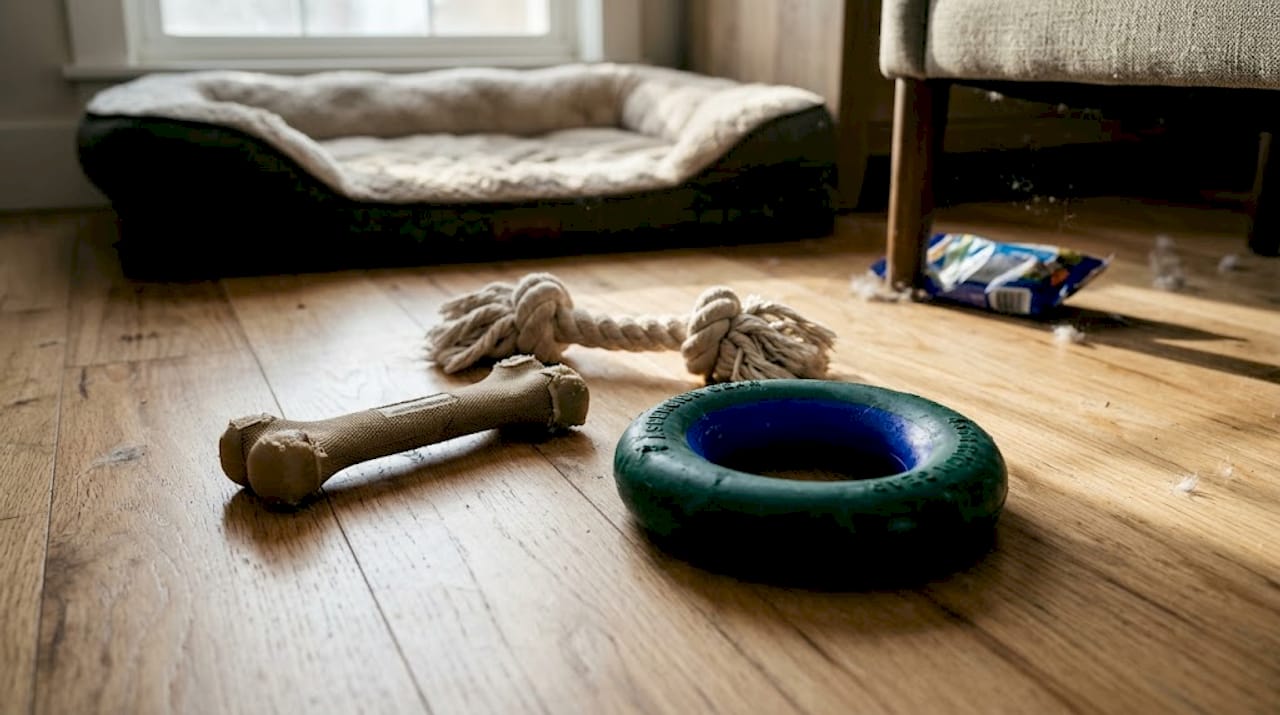
For dogs that need something even more durable, indestructible dog bones made from heavy-duty nylon with beef flavoring give large dogs a long-lasting outlet that supports teeth cleaning at the same time.
Pro Tip: No toy is truly indestructible. Every manufacturer that claims otherwise is overstating. Always supervise your dog with any new toy for the first several sessions to see how they interact with it and whether it is holding up safely.
Strategies to prevent destructive chewing in your home
Having picked the right toys, implementing prevention strategies can stop destruction before it starts. Reactive management is exhausting. Proactive prevention is far more effective and less stressful for both you and your dog.
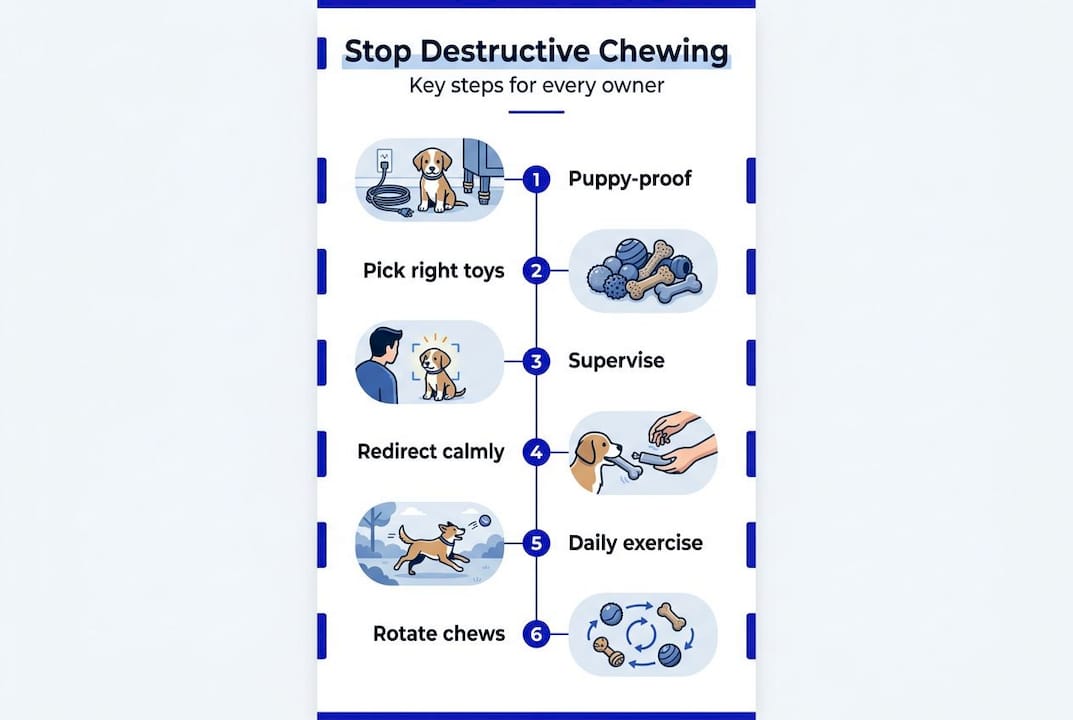
Here is a step-by-step prevention framework:
- Puppy-proof your space. Remove tempting off-limits items from accessible areas. Shoes go in closed closets. Electrical cords get covered or tucked away. Baseboards in high-traffic areas can be sprayed with bitter apple deterrent. This is not a permanent solution, but it removes the opportunity while you build better habits.
- Establish daily exercise routines. A tired dog is a less destructive dog. Physical activity burns off the energy that would otherwise go into chewing. The specific amount depends on breed and age, but most dogs need at least 30 to 60 minutes of active exercise per day.
- Add mental stimulation. Physical exercise alone is not enough for many breeds. Puzzle feeders, training sessions, and scent games tire out the brain and reduce boredom-driven chewing. Even 10 minutes of training a day makes a measurable difference.
- Rotate chew toys regularly. Scented toys increase puppy engagement significantly, with more sniffing and interaction time compared to unscented options. Rotating toys keeps them novel and interesting, which means your dog is more likely to choose the toy over your couch.
- Redirect with praise, not punishment. When you catch your dog chewing something inappropriate, calmly swap it for an approved toy and immediately reward them when they engage with it. Consistency here is everything.
| Prevention method | Effort level | Effectiveness | Best for |
|---|---|---|---|
| Puppy-proofing | Low | High (removes opportunity) | All dogs |
| Daily exercise | Medium | High (reduces energy) | High-energy breeds |
| Mental stimulation | Medium | High (reduces boredom) | Working and herding breeds |
| Toy rotation | Low | Medium to high | Puppies and adolescent dogs |
| Redirect and reward | Medium | Very high (builds habits) | All ages |
Chewing reduces dental calculus by up to 90% in short-term studies, which means giving your dog appropriate chew time is not just about saving your furniture. It is genuinely good for their health.
Long-lasting chews for large dogs give big breeds the extended chewing sessions they need without falling apart in minutes. For smaller or medium dogs, natural rubber chew toys provide a safe, flexible option that supports dental health and satisfies the chewing drive without the risks of harder materials.
Our take: What most guides miss about destructive chewing
Most articles on this topic jump straight to product recommendations. Buy this toy. Avoid that one. And while product selection matters, it misses the larger point: destructive chewing is almost always a symptom, not the problem itself.
Chewing is essential to a dog’s welfare. It is part of their behavioral biology, what researchers call their “telos,” meaning the set of behaviors they are naturally built to perform. Trying to stop chewing entirely is both unrealistic and counterproductive. The goal is to redirect it, not eliminate it.
What we see consistently is that owners who build daily routines around their dog’s needs, including structured exercise, mental engagement, and multiple approved chew options, have far fewer problems with destructive behavior. It is not about having the perfect toy. It is about having a relationship and a routine that meets your dog’s actual needs.
The other thing most guides skip is supervision. No toy is invincible. Even the most durable rubber or nylon product can be compromised by a determined power chewer. Supervision during chew sessions is not optional for aggressive chewers. It is a safety requirement.
Finally, frustration leads to punishment, and punishment leads to anxiety, and anxiety leads to more destructive chewing. That cycle is real and well-documented. The owners who break it are the ones who approach the problem with patience and a clear understanding of what their dog actually needs.
If you have a power chewer and want a starting point, the bundle options for power chewers at Ascencion Gear are designed with this exact profile in mind, combining durability with variety so you can find what works for your specific dog.
Shop safe, durable chew toys for happy, healthy dogs
Understanding why your dog chews is only half the equation. Having the right products on hand makes the difference between a redirected habit and a destroyed couch.

At Ascencion Gear, the chew toy selection is built around real chewer profiles. Whether you have a puppy working through teething, a medium breed with moderate chewing habits, or a large-breed power chewer that destroys standard toys in minutes, there are options matched to each need. Plush squeaky toys for puppies offer gentle engagement for younger dogs, while durable rubber toys for aggressive chewers and nylon chew bundles give power chewers the reinforced options they need to stay safe and satisfied.
Frequently asked questions
Why is my puppy chewing everything, even with toys available?
Puppies chew due to teething pain and need a variety of textures and scents to stay engaged. Scented toys boost engagement significantly, so rotating flavored or scented options and supervising toy sessions gives you the best results.
Which breeds are most likely to chew destructively?
Pit Bulls and German Shepherds are among the breeds most prone to aggressive chewing and require reinforced, heavy-duty toys rated for their bite strength to stay safe.
Can chewing really clean my dog’s teeth?
Yes. Regular chewing reduces dental calculus by up to 90% in short-term studies, making approved chew toys a genuine part of your dog’s dental care routine.
Is it safe to use real bones, antlers, or hooves as chew toys?
No. Antlers, hooves, and bones are hard enough to fracture teeth and can splinter into pieces that cause choking or gastrointestinal blockages.
How should I respond if my dog chews furniture when left alone?
Increase daily exercise, provide approved chew toys before leaving, and avoid punishment when you return. Punishment worsens anxiety-driven chewing, so consult a vet to rule out dental pain or anxiety disorders if the behavior continues.
Recommended
- Indestructible Dog Bone | Beef Flavored Nylon Chew Toy | Ascencion Gear
- Aggressive Chewer Dog Toy Bundle - 3 Durable Toys | Ascencion Gear
- Holiday dog toy guide: Stay safe and have fun – Ascencion Gear
- Detachable 2-in-1 Dog Chew Toy | Natural Rubber for Aggressive Chewers – Ascencion Gear
- How interactive devices boost dog safety and cognition – iPupPee