

Investing in premium dog products means selecting higher-quality foods and accessories that deliver measurable health benefits, greater durability, and stronger long-term value for your pet. The super-premium dog food segment grows 7 to 10% annually and accounts for 19% of the US $27 billion dog food market, driven by pet humanization and younger owners spending more. This article explains what qualifies as a premium product, what the science says about nutritional and physical benefits, and how to evaluate whether a product actually earns its price tag.
Why invest in premium dog products for your pet’s health
Premium dog products are defined by three criteria: nutritional adequacy supported by clinical evidence, functional health benefits beyond basic maintenance, and ingredient transparency that allows owners to verify quality. The AAFCO “complete and balanced” label is the baseline standard in the US, but AAFCO compliance alone does not guarantee optimum outcomes. It confirms a food meets minimum nutritional thresholds through lab analysis or feeding trials, but says nothing about ingredient quality, digestibility, or long-term health impact.
This distinction matters because not all foods that pass AAFCO standards perform equally in the body. A food can meet the minimum protein requirement using low-digestibility sources and still carry the label. Freshpet’s veterinary guidance makes clear that owners should look beyond the label to feeding trial evidence and observable pet responses. That shift in thinking is exactly what separates informed premium buyers from those who pay more without getting more.
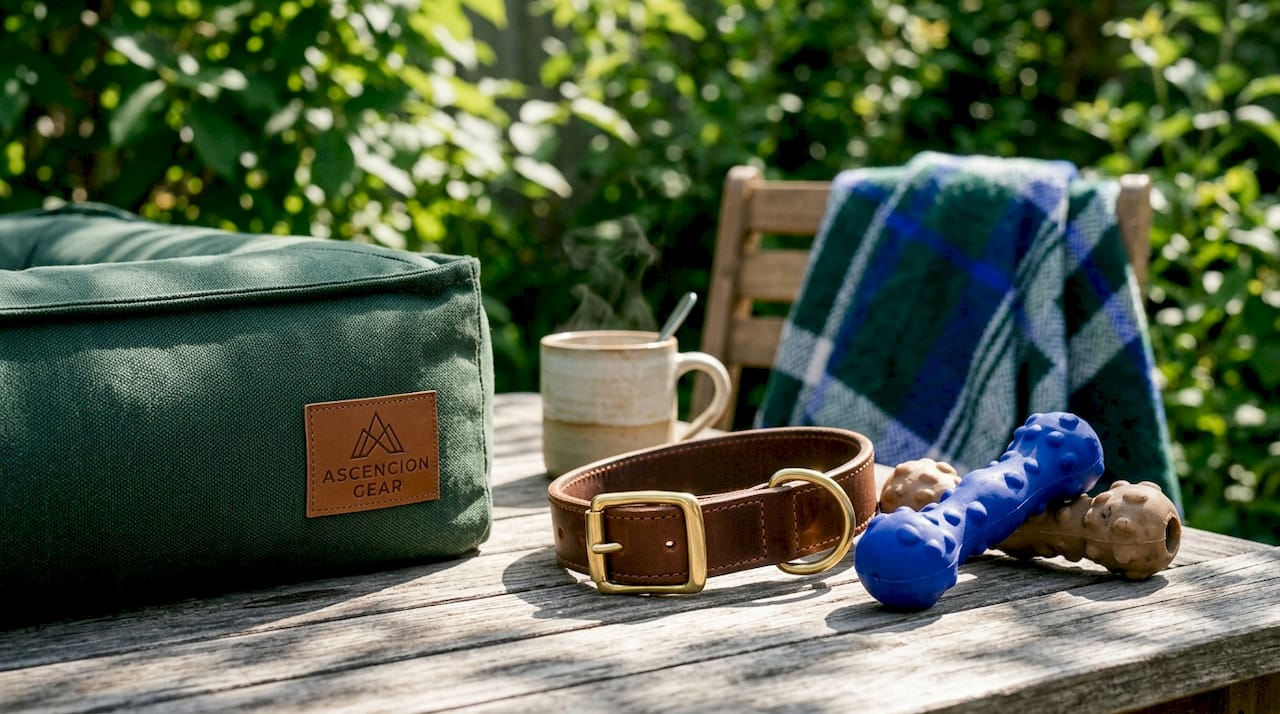
The benefits of premium dog products extend beyond food. Beds, toys, and accessories made from higher-grade materials reduce injury risk, last longer, and support behavioral health through better enrichment. Understanding both dimensions, nutritional and physical, gives you a complete picture of why the investment pays off.
How do premium dog foods improve canine health and nutrition?
The nutritional case for premium dog food rests on ingredient quality, processing method, and the presence of functional ingredients like probiotics and prebiotics. A 2026 peer-reviewed randomized cross-over study published in Frontiers in Veterinary Science found that minimally processed diets improve fecal consistency, gut microbiome diversity, and lower glycemic response compared to traditional extruded kibble. That means your dog’s digestive system works more efficiently, absorbs nutrients more completely, and produces measurable biological improvements within weeks of switching.
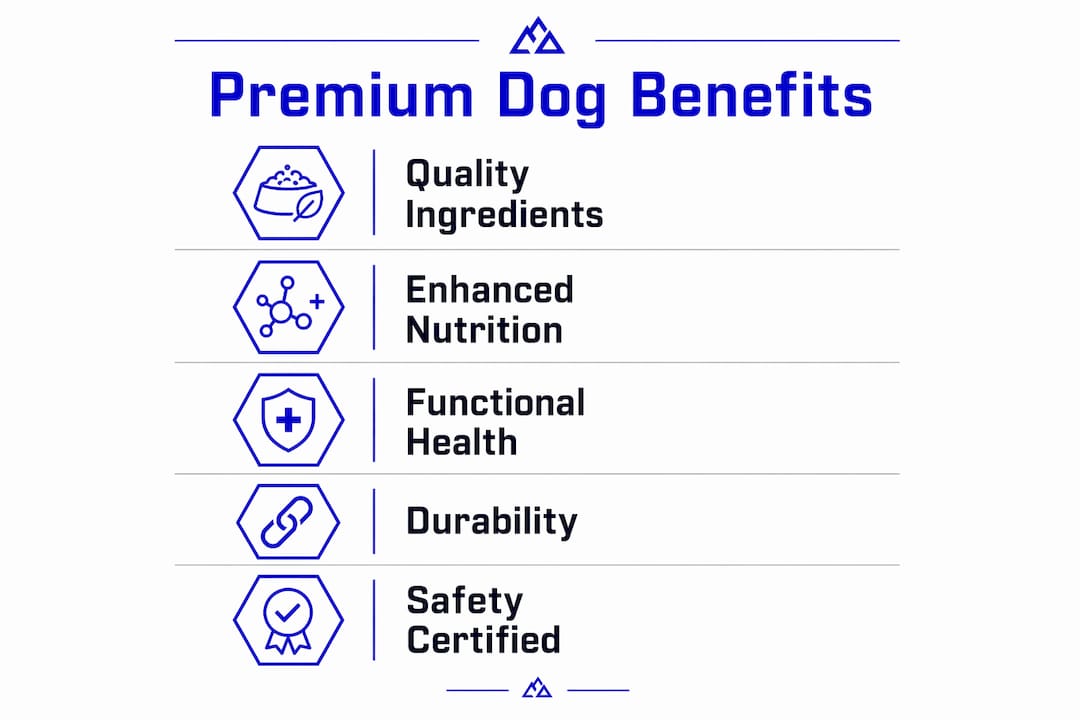
Functional ingredients add another layer of benefit. A 2025 double-blinded controlled trial with 111 dogs found that a highly digestible diet with probiotics and prebiotics significantly sped recovery from acute diarrhea compared to a control diet, with improved fecal consistency and microbiome markers. This is clinical confirmation that premium formulations with targeted ingredients produce outcomes that standard foods cannot match.
Key nutritional differences between premium and standard dog foods include:
- Ingredient sourcing: Premium foods use named protein sources (chicken, salmon, lamb) rather than generic “meat meal” or “animal by-products”
- Processing method: Minimally processed formats like fresh, freeze-dried, or gently cooked preserve more bioavailable nutrients than high-heat extrusion
- Functional additions: Probiotics, prebiotics, omega-3 fatty acids, and antioxidants address specific health markers beyond basic maintenance
- Digestibility: Higher-quality ingredients mean more nutrients absorbed per gram, reducing the volume your dog needs to eat
Pro Tip: When switching to a premium food, track stool consistency and odor starting on day three. Firmer, less odorous stools within the first two weeks are the clearest early sign that digestibility has improved.
The real benefits of dog treats follow the same logic. Premium treat ingredients, such as single-source proteins and whole-food additions, contribute to immune support and digestive health rather than just providing a reward.
What are the durability and quality advantages of premium dog accessories?
Premium dog accessories deliver better safety, longer product life, and lower cost per use compared to standard alternatives. Premium-grade products show greater durability due to superior materials and manufacturing standards. A standard plush toy made from thin polyester may last days with an aggressive chewer. A reinforced toy using double-stitched seams, non-toxic dyes, and thicker fabric lasts weeks or months, reducing both replacement costs and the risk of ingested stuffing.
The table below compares premium and standard dog accessories across the factors that matter most to owners:
| Factor | Standard products | Premium products |
|---|---|---|
| Material quality | Basic polyester, thin plastics | Reinforced fabrics, BPA-free materials |
| Lifespan | Days to weeks with active dogs | Weeks to months with proper use |
| Safety | Variable; may contain toxic dyes | Non-toxic, tested for pet safety |
| Cost per use | Low upfront, high replacement rate | Higher upfront, lower long-term cost |
| Behavioral benefit | Limited enrichment | Designed for mental stimulation |
Dog beds follow the same pattern. Orthopedic and calming beds use memory foam or high-density fill that supports joints, particularly in older dogs or larger breeds prone to hip dysplasia. A standard flat mat provides minimal support and compresses within weeks. Investing in premium dog beds means fewer replacements and measurable comfort improvements, especially for dogs spending 12 to 14 hours per day resting.
Pro Tip: Check for certifications like OEKO-TEX or ASTM F963 on dog accessories. These third-party safety standards confirm that materials have been tested for harmful substances, which is a reliable marker of genuine premium quality.
Recognizing a truly premium product requires looking past marketing language. Words like “luxury” or “designer” describe aesthetics, not function. Genuine quality markers include reinforced stitching, named material compositions, safety certifications, and manufacturer warranties. The guide on what makes a dog accessory premium breaks down these criteria in detail.
How is the pet owner market influencing growth in premium dog products?
Consumer behavior is reshaping the pet products industry at a structural level. The APPA 2025 Dog and Cat Report shows that 41% of dog owners chose higher-quality diets in 2024, and mix-and-toppers grew 120% since 2018. This reflects a shift from convenience-driven feeding to wellness-driven feeding, where owners treat nutrition as a health investment rather than a commodity purchase.
Several forces are driving this shift:
- Pet humanization: Owners aged 25 to 45 increasingly view dogs as family members, applying the same quality standards to pet food that they apply to their own diets
- Digital discovery: Social media, veterinary blogs, and ingredient transparency apps give owners direct access to formulation data, raising their willingness to pay for verified quality
- Functional food segments: Products targeting joint health, anxiety, skin and coat condition, and gut health are growing faster than general premium categories
- Mix-and-toppers: Adding fresh proteins, bone broth, or probiotic powders to a base kibble diet is now mainstream, reflecting a personalized approach to feeding
TD Securities’ 2026 market commentary confirms that pet humanization and younger owners are the primary growth engine for the super-premium segment. This is not a niche trend. It represents a durable shift in how a generation of dog owners defines responsible pet care. Brands that provide evidence-based claims, clean ingredient lists, and transparent sourcing are capturing this demand at scale.
How can dog owners assess whether premium products are worth the investment?
Evaluating whether a premium product delivers real value requires a structured approach rather than relying on price or packaging. Follow these steps to make an informed assessment:
- Check AAFCO compliance and feeding trial evidence. A product that passed a feeding trial rather than just a lab analysis has been tested on actual dogs. Look for “Animal feeding tests using AAFCO procedures” on the label. This is a stronger signal than nutrient analysis alone.
- Transition gradually and track early markers. Switch over 7 to 10 days by mixing increasing proportions of the new food. Monitor stool consistency, frequency, and odor from day three onward. Objective early indicators like these confirm whether a diet is benefiting your dog before you commit to a full purchase cycle.
- Assess palatability honestly. A premium food your dog refuses to eat provides zero benefit. If your dog consistently leaves food in the bowl, try a topper like bone broth or a small amount of fresh protein to increase acceptance without abandoning the base formula.
- Evaluate accessories by use rate and replacement frequency. Track how long a toy or bed lasts under your dog’s actual usage patterns. If a $15 toy lasts two weeks and a $35 toy lasts four months, the math strongly favors the premium option.
- Consult your veterinarian at the 30-day mark. Weight, coat condition, energy level, and stool quality are all measurable at a standard checkup. A vet can confirm whether the transition produced clinical improvements worth sustaining.
Pro Tip: Keep a simple log for the first 30 days after switching any product. Note stool quality on a 1 to 5 scale, energy level, and any GI symptoms. This data makes your vet consultation far more productive and removes guesswork from the evaluation.
Avoiding wasted spend is as important as finding the right product. Dvm360’s therapeutic diet guidance confirms that true premium value requires evidence beyond AAFCO claims, including clinical feeding trials and user-observed outcomes. Price alone is not a proxy for quality.
Key takeaways
Premium dog products deliver measurable health, safety, and durability advantages when selected based on clinical evidence, ingredient transparency, and observable pet outcomes rather than price or marketing claims alone.
| Point | Details |
|---|---|
| AAFCO is the floor, not the ceiling | Feeding trial evidence and observed health markers are stronger quality signals than label compliance alone. |
| Minimally processed diets produce real results | Peer-reviewed studies confirm improved gut microbiome, fecal consistency, and glycemic response in dogs. |
| Premium accessories cost less long-term | Superior materials and construction reduce replacement frequency and lower cost per use over time. |
| Consumer demand is science-driven | 41% of owners chose higher-quality diets in 2024, driven by ingredient transparency and digital access to research. |
| Track outcomes to confirm value | Stool quality, energy, and coat condition at 30 days are the clearest indicators that a premium product is working. |
What I’ve learned from watching dogs respond to better products
I’ve spent years reviewing pet nutrition research and testing product claims against real-world outcomes, and the pattern is consistent. Dogs respond to quality. The biological evidence from studies like the 2026 Frontiers in Veterinary Science cross-over trial is not surprising to anyone who has watched a dog transition from a standard kibble to a minimally processed diet. The changes in stool quality and energy level are visible within two weeks.
What surprises most owners is how quickly the durability math becomes obvious with accessories. A dog owner who replaces a $12 plush toy every three weeks spends over $200 annually on a single toy category. One well-constructed $40 toy that lasts six months cuts that cost by more than half and removes a choking hazard from the equation. That is not a luxury purchase. It is a rational one.
The mistake I see most often is treating premium as a category rather than a standard. Not every expensive product is premium, and not every premium product is expensive. The evaluation framework matters more than the price point. Check the ingredients, look for feeding trial evidence, assess the materials, and track your dog’s response. The data will tell you whether the investment was worth it.
— Thomas
Premium dog toys and beds worth exploring at Ascenciongear
Ascenciongear carries a curated selection of durable dog toys, orthopedic beds, and accessories built to the quality standards this article describes. The squeaky crinkle dog toy uses no-stuffing construction and reinforced crinkle material, removing the ingestion risk that standard plush toys carry. For mental stimulation, the interactive octopus puzzle set provides four hide-and-seek toys designed to keep dogs engaged and reduce anxiety-driven destructive behavior. Ascenciongear also stocks orthopedic and calming beds for dogs of all sizes, with machine-washable options that maintain their support over time. Every product ships across the US.
FAQ
What qualifies as a premium dog product?
A premium dog product meets AAFCO nutritional standards, uses named high-quality ingredients, and ideally carries feeding trial validation rather than lab analysis alone. For accessories, premium means reinforced construction, non-toxic materials, and third-party safety certifications.
Why use premium dog treats instead of standard ones?
Premium dog treat ingredients, such as single-source proteins and whole-food additions, support digestion and immune health rather than just providing a calorie reward. Standard treats often use fillers and artificial preservatives that add no nutritional value.
Why invest in premium dog beds specifically?
Premium dog beds use high-density foam or calming fill that supports joints and maintains structure over months of daily use. Standard flat mats compress quickly and provide minimal orthopedic benefit, particularly for larger breeds or senior dogs.
How do I know if a premium food is actually working?
Track stool consistency, odor, energy level, and coat condition starting at day three of the transition. Measurable improvements in these markers within 30 days confirm that the diet change is producing real biological benefits.
Is the premium pet product market growing?
The super-premium dog food segment grows 7 to 10% annually and represents 19% of the US dog food market, according to TD Securities 2026 data. Mix-and-toppers alone grew 120% since 2018, confirming sustained and accelerating consumer demand.