

Most dog owners think grooming accessories are just brushes and shampoo. That picture is incomplete. A dog grooming accessory covers every tool that helps you clean, maintain, and monitor your dog’s physical condition, from nail clippers and deshedding gloves to ear cleaning solutions and grooming loops. Understanding what is a dog grooming accessory, and which ones actually matter for your specific dog, is the difference between a reactive owner and a confident one. This guide covers the full scope: what these tools are, how to choose them, and how to use them safely at home.
Table of Contents
- Key takeaways
- What is a dog grooming accessory
- Choosing the right tools for your dog’s coat
- How to use grooming accessories safely at home
- Grooming accessories and early health detection
- My take on getting started with grooming accessories
- Get the right grooming tools from Ascenciongear
- FAQ
Key takeaways
| Point | Details |
|---|---|
| Definition matters | A dog grooming accessory is any tool used to clean, maintain, or inspect your dog’s coat, nails, ears, or skin. |
| Match tools to coat type | Using the wrong brush reduces effectiveness and can cause skin discomfort or coat damage. |
| Grooming supports health | Regular grooming helps catch skin infections, parasites, and lumps before they become serious problems. |
| Start slow with new dogs | A gradual routine builds trust and prevents resistance, especially with nail trimming. |
| Starter kits save money | A solid at-home kit costs between $50 and $150 and covers most routine maintenance needs. |
What is a dog grooming accessory
A dog grooming accessory is any tool or product designed to maintain, clean, or support the physical care of a dog. That definition is broader than most people expect. It goes well beyond a single brush sitting on the bathroom shelf.
The major categories break down like this:
- Brushes and combs: Slicker brushes, pin brushes, bristle brushes, detangling combs, and wide-tooth combs. Each serves a specific coat type and purpose.
- Deshedding tools: Rakes, grooming gloves like these deshedding grooming gloves, and undercoat rakes that pull loose fur from double-coated breeds.
- Nail care: Clippers, grinders, and styptic powder to stop bleeding if you nick the quick.
- Ear and eye cleaning tools: Cotton pads, ear cleaning solution, and soft swabs.
- Bathing accessories: Dog-specific shampoos, conditioners, rubber scrubbing mitts, and rinse cups.
- Grooming support equipment: Grooming loops, belly straps, and table arms that keep a dog still and safe during sessions.
The distinction between maintenance tools and specialist tools matters. Maintenance tools are what you use weekly or monthly at home: brushes, combs, nail clippers. Specialist tools, like professional clippers or mat-splitting blades, require more skill and are better suited for professional groomers or experienced owners.
Pro Tip: Buy a dedicated grooming bag or caddy to keep all your accessories organized and accessible. Fumbling for tools mid-session makes dogs anxious and extends what should be a calm routine.
The pet grooming market sits at approximately $16.3 billion as of 2026, which reflects how seriously dog owners have come to take this category. That growth is not cosmetic. It tracks with a broader understanding that grooming is health care.
Choosing the right tools for your dog’s coat
Not every brush works on every dog. Using the wrong one does not just reduce grooming effectiveness. It can cause skin discomfort or even coat damage, especially in breeds with dense or sensitive fur.
Here is a practical breakdown by coat type:
| Coat type | Recommended tools | Breeds |
|---|---|---|
| Short and smooth | Bristle brush, rubber grooming mitt | Beagle, Boxer, Labrador |
| Long and silky | Pin brush, wide-tooth comb, detangling spray | Yorkshire Terrier, Afghan Hound |
| Double coat | Deshedding rake, slicker brush | Golden Retriever, Husky, German Shepherd |
| Curly or wavy | Slicker brush, metal comb, dematting tool | Poodle, Labradoodle, Bichon Frise |
| Wire or rough | Slicker brush, stripping comb | Terrier breeds, Schnauzer |
Slicker brushes work well for over 70% of coat types, making them the most versatile single tool you can own. But for double-coated breeds, especially during shedding season, a deshedding rake or undercoat tool is the one that actually moves the needle. Without it, you are only brushing the surface while loose undercoat continues to mat underneath.
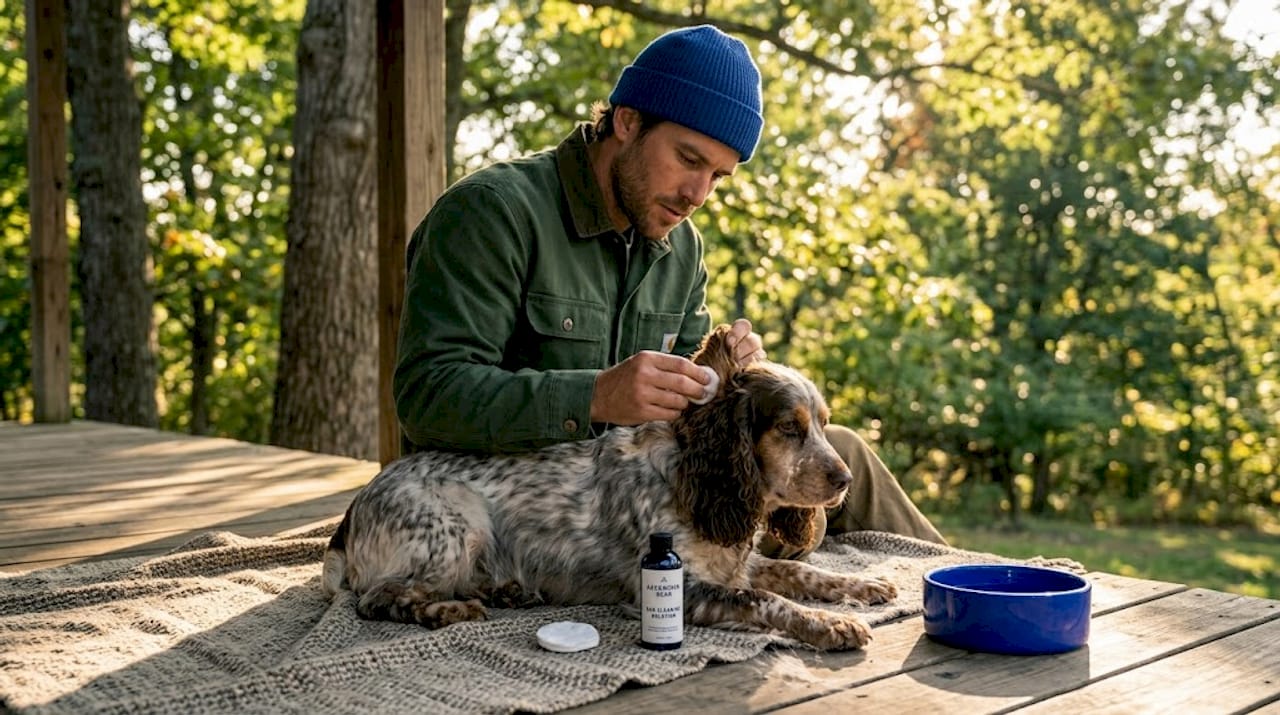
Breed-specific needs go beyond just the coat surface. Floppy-eared dogs like Cocker Spaniels are prone to ear infections, which makes ear cleaning tools a non-negotiable part of their kit. Short-faced dogs like Bulldogs and Pugs need regular attention around facial folds. Knowing your breed’s specific vulnerabilities shapes which accessories belong in your regular rotation.
Pro Tip: For medium to long coats, use a pin brush first to detangle, then follow up with a slicker brush for smoothing. Combining two brush types in sequence reduces pulling and gives a better finish than using either one alone.
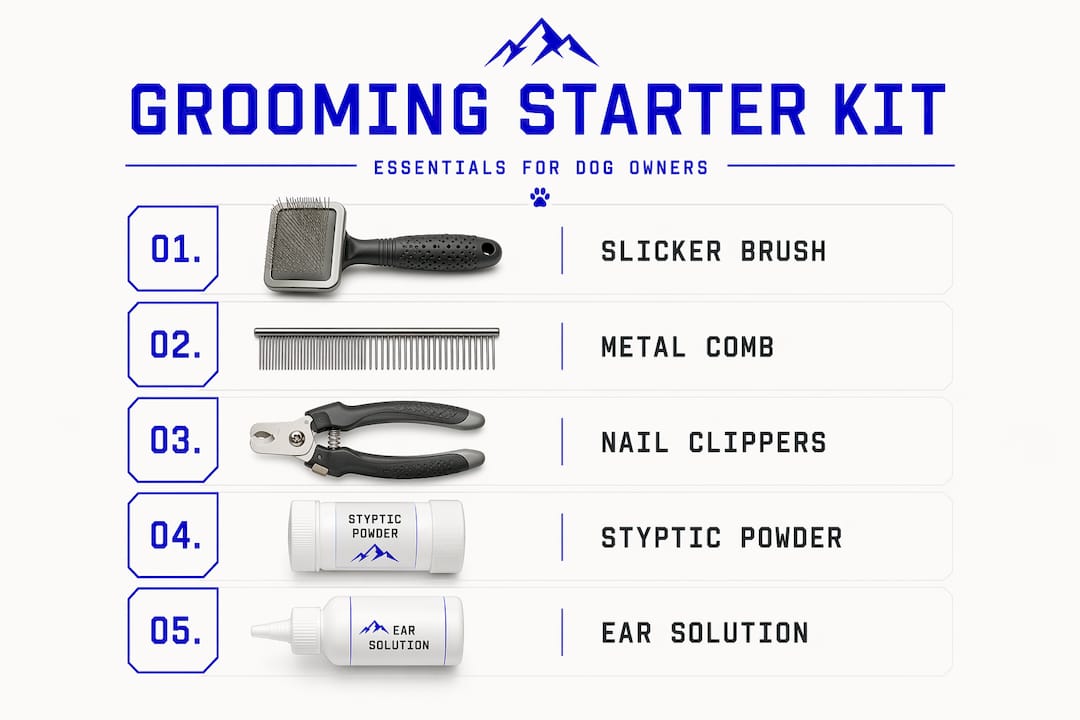
A basic starter kit typically costs between $50 and $150 for essentials: brushes, combs, nail trimmers, styptic powder, and dog-safe shampoo. That cost covers most of what you need for routine home maintenance across the majority of breeds.
How to use grooming accessories safely at home
Knowing which tools to buy is only half the work. Using them correctly determines whether grooming becomes a calm routine or a weekly battle.
Brushing and combing
Work in sections and always brush in the direction of hair growth. For long-coated dogs, start at the tips and work toward the skin to avoid ripping through knots. Use your free hand to hold the fur near the root as you brush. This removes tension and keeps the dog comfortable.
- Start at the head and work toward the tail.
- Use a comb after brushing to catch any tangles the brush missed.
- Pay extra attention to friction areas: behind the ears, under the armpits, and around the collar line.
- Finish with a final pass using a bristle brush to smooth and add shine.
Nail care
Trim nails every 2 to 4 weeks to prevent overgrowth that causes gait changes and joint strain. Grinders are slower but reduce the risk of cutting the quick compared to standard clippers. If you do nick the quick, styptic powder stops the bleeding quickly. Apply it with firm pressure for at least 30 seconds. You can find quality nail clippers sized for both small and large dogs.
Pro Tip: Introduce nail trimming gradually. Touch your dog’s paws daily without clipping, then clip just one nail, then reward. This process, sometimes called the “one paw a day” method, builds tolerance over weeks rather than forcing a full session immediately.
Ear and paw cleaning
Use a dog-specific ear cleaning solution and a cotton ball. Never insert anything into the ear canal itself. For paws, check between the toes for debris, cracked pads, or signs of irritation after walks. A soft damp cloth handles most between-bath paw cleaning effectively.
Bathing accessories
Use a rubber scrubbing mitt during baths to work shampoo into the coat while simultaneously massaging the skin. After bathing, dry thoroughly before brushing again. Leaving a coat damp, especially on double-coated dogs, can lead to hot spots or skin infections underneath the fur.
- Use a dog-specific shampoo formulated for your dog’s skin pH.
- Rinse twice. Shampoo residue is one of the most common causes of skin irritation after baths.
- Use a grooming loop or belly strap, like this grooming belly strap set, to keep your dog steady and safe if grooming on an elevated surface.
Grooming accessories and early health detection
The role of grooming accessories in dog care goes well beyond appearance. Professional groomers treat grooming as preventative health care, and the reasoning is straightforward. When you run a brush through your dog’s coat on a regular schedule, you get a detailed view of their skin and body that a once-a-year vet visit cannot replicate.
Here is what routine grooming lets you catch early:
- Skin infections: Redness, flaking, unusual odor, or hot spots are visible when you part the fur during brushing.
- Parasites: Fleas, ticks, and mite evidence show up when you brush down to the skin level, not just the surface.
- Lumps and swelling: Running hands along the body during bathing or brushing regularly means you notice new masses faster.
- Nail and paw issues: Cracked nails, abnormal nail growth, or pad sores become obvious during trimming sessions.
- Ear problems: Discharge, odor, or sensitivity during ear cleaning often signals infection before clinical signs appear.
Grooming support tools like loops and belly straps do more than hold a dog still. They reduce the chance of sudden movement that causes accidental cuts or falls during nail trimming or clipping. That physical safety is part of what makes grooming accessories matter for dog safety, not just hygiene.
Nail health deserves specific attention. Overgrown nails change how a dog distributes weight when walking, which over time creates pressure on the joints and spine. The damage is cumulative and mostly preventable with a consistent trimming schedule.
My take on getting started with grooming accessories
I’ve seen a lot of first-time dog owners buy a bag full of tools and try to use all of them on day one. That almost always goes badly. The dog gets overstimulated, the owner gets frustrated, and the grooming kit ends up in a closet for three months.
In my experience, the smarter approach is to start with two or three tools and build from there. A good slicker brush, a metal comb, and a set of nail clippers covers the fundamentals for most dogs. Get comfortable with those before adding specialty items.
What I’ve found actually works for nail trimming specifically is the gradual method. Building tolerance one paw at a time takes longer upfront but eliminates the resistance problem entirely by the time you need to do a full trim. Most owners skip this step and spend years fighting their dog over nails. The patience pays off.
I also think people underestimate the importance of having styptic powder within reach during nail sessions. Not as a sign that you’ll make a mistake, but as a sign that you’re prepared. Knowing you can stop the bleeding quickly removes the anxiety that causes shaky hands. That calm transfers directly to the dog.
For tasks like full-body haircuts or severe mat removal, professional expertise makes the difference. Shaving a double coat incorrectly can permanently damage the regrowth pattern. Knowing what you can handle at home and what belongs in a groomer’s hands is not a weakness. It is good judgment.
Grooming is also one of the more underrated bonding activities you have access to. A dog that enjoys being brushed and handled is a dog that trusts you with its body. That trust shows up everywhere else in the relationship.
— Thomas
Get the right grooming tools from Ascenciongear
If you’re building out your grooming kit, Ascenciongear carries some of the most practical tools for everyday dog care.

Start with the deshedding grooming gloves if you have a heavy shedder. The 384-tip design works through the coat while doubling as a massage tool your dog will actually enjoy. For nail care, the pet nail clippers come in sizes for both small and large dogs. New dog owners should also check out the new dog starter kit, which bundles comfort and play essentials into one package. Ascenciongear ships across the US and makes it easy to get what your dog actually needs, not just what looks good in a display case.
FAQ
What exactly is a dog grooming accessory?
A dog grooming accessory is any tool or product used to maintain a dog’s coat, nails, ears, skin, or paws. This includes brushes, combs, nail clippers, deshedding tools, ear cleaning supplies, and grooming support equipment like loops and belly straps.
How often should I groom my dog at home?
Brushing frequency depends on coat type: daily for long or double coats, weekly for short coats. Nail trimming should happen every 2 to 4 weeks. Bathing typically works well on a monthly schedule unless your dog gets particularly dirty.
Can I use human grooming tools on my dog?
No. Human tools are not designed for dog skin pH, fur density, or coat structure. Using human shampoo, for example, can disrupt your dog’s skin barrier. Always use tools and products specifically formulated for dogs.
What grooming accessories do I need to start?
A solid starter kit includes a slicker brush, a metal comb, nail clippers with styptic powder, ear cleaning solution, and a dog-safe shampoo. A basic at-home kit covering these items costs between $50 and $150.
When should I take my dog to a professional groomer?
Take your dog to a professional for full-body haircuts, severe mat removal, and breed-specific styling. These tasks require training and the wrong technique can injure your dog or permanently damage coat regrowth patterns.
Recommended
- Holiday dog accessories guide: fun, durable, and themed picks – Ascencion Gear
- What makes a dog accessory premium? A guide to real quality – Ascencion Gear
- Top Dog Accessories: Durable, Smart, and Fun Picks for 2026 – Ascencion Gear
- Why updating dog accessories matters for safety and value – Ascencion Gear